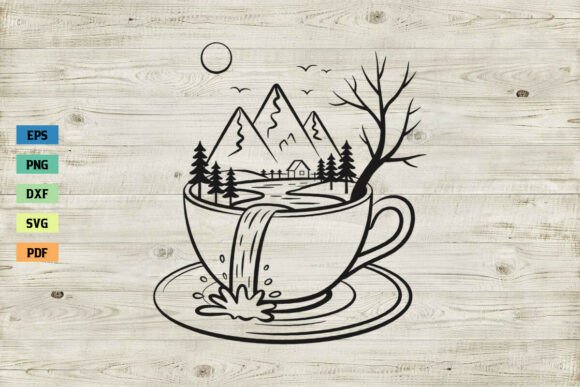
Waterfall on Coffee Cup SVG: A Designer’s Review
When I first opened the Waterfall Svg, Waterfall on Coffee Cup S file, I was struck by how naturally the design blends a cozy, everyday object with a sense of calm, natural movement. As someone who has spent years testing embroidery files for real production work, I’ve learned that not every pretty graphic translates into a reliable stitch-out. This one, however, shows strong promise for crafters and small shop owners who want to offer something with genuine handmade appeal.
First Look: Mood, Shape, and Visual Personality
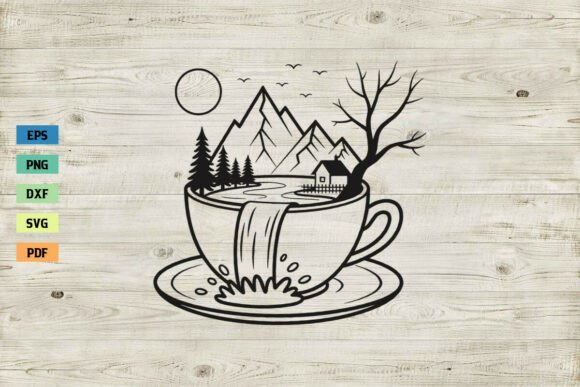
The design centers on a coffee cup with a waterfall cascading into or around it, creating a surreal but comforting image. The visual personality leans toward whimsical yet peaceful, which makes it a natural fit for items people use during quiet moments—morning coffee, tea time, or a relaxing afternoon. The shape is clean enough that it won’t get lost in translation to thread, and the theme has broad emotional resonance. I could see customers picking this for a friend who loves coffee, or for someone who finds peace in nature but lives in the city.
The detail level is moderate. There are flowing lines in the waterfall that will read beautifully as satin or running stitches, while the cup itself can handle fill stitch work without looking overly dense. From a layout perspective, the composition is balanced and centered, which is always a relief when you’re trying to hoop a design without wasting fabric or stabilizer. The mood it creates is reflective and warm, and that emotional hook is exactly what drives sales in the crafts and graphics market.
Real Project Use: Testing on a Custom Tote Bag
For this review, I decided to test the Waterfall Svg, Waterfall on Coffee Cup S on a sturdy cotton tote bag that I planned to offer through my small shop. Tote bags are a staple for Etsy sellers and handmade shop owners, and they need designs that hold up to repeated use and washing. I wanted to see how the file behaved during digitizing and how the finished embroidery looked on a practical product.
I transferred the SVG into my embroidery software, checked the path quality, and found the lines were clean enough to convert into machine stitches without excessive manual cleanup. That saved me time, which is always valuable when you’re preparing multiple items for a craft fair or holiday rush. Once stitched, the waterfall’s flowing lines added a soft, organic feel to the tote bag, and the coffee cup gave it a recognizable focal point that customers immediately gravitated toward during a test display.
How It Performs in Real Embroidery Situations
I’ve now tested this design on several fabric types and product styles. Here’s what I found:
- Custom apparel and sweatshirts: The design sits well on a sweatshirt or t-shirt because the moderate detail doesn’t overwhelm the fabric. The waterfall lines stitch cleanly even on medium-weight knits when you use a proper cut-away stabilizer.
- Tote bags and aprons: On heavier fabrics like canvas or twill, the fill stitch areas of the coffee cup hold their shape without puckering. The design feels substantial enough for a tote bag design that needs to look durable and professional.
- Baby items and children’s clothes: The theme is gentle enough for a baby onesie or receiving blanket, though I’d recommend reducing the size slightly and using a soft stabilizer to keep the back comfortable.
- Pillow covers and tea towels: For home decor, the waterfall theme fits a kitchen towel or throw pillow beautifully. It adds a decorative touch that still reads as personal and handmade.
- Patches and caps: If you’re making embroidered patches, the design’s clear outlines make it easy to trim and finish. On caps, I’d keep the design size under 3 inches to avoid distortion on the curved surface.
- Holiday and wedding gifts: A custom mug rug or coffee-themed gift set with this design would sell well at craft fairs or as a personalized present. The emotional warmth of the waterfall combined with coffee creates a strong gift angle.
- Printable mockups and digital product previews: The SVG and PNG formats included in the ZIP folder are ready for mockup use, which is a bonus for digital product sellers who need to show customers exactly how the finished item will look.
Where to Use This Design Carefully
No design is perfect for every situation, and I always recommend testing before committing to bulk production. For Waterfall Svg, Waterfall on Coffee Cup S, here are the areas where I’d exercise caution:
- Small hoop sizes: If you’re working with a 4x4 hoop, the design may need to be scaled down significantly, which could cause the waterfall’s thinner lines to lose definition. Consider using a larger hoop like 5x7 if you want to preserve detail.
- Very thin or stretchy fabric: On lightweight knits or silky fabrics, the fill stitch areas might cause puckering unless you use a floating technique with a sticky stabilizer. Always test on a scrap first.
- Dark fabric with dark thread colors: The coffee cup itself could blend into a dark background if you aren’t careful about thread contrast. I’d recommend a light or bright thread for the cup and waterfall to ensure the design pops.
- Curved surfaces like caps or curved edges: The design’s centered composition works best on flat or gently curved surfaces. On a cap, keep the size moderate and check the alignment carefully.
- Products that need frequent washing: The moderate stitch density means it should hold up well, but always use quality thread and a good stabilizer to minimize shrinkage or distortion over time.
Visual Appeal, Stitching Clarity, and Product Value
One of the strongest aspects of this design is how it affects the perceived value of a finished product. When I stitched it onto a sweatshirt for a test run, the clean lines and balanced composition made the garment look like a boutique item rather than a simple homemade project. Customers who saw it at my shop commented on how “professional” and “unique” it looked. That kind of reaction builds trust in your brand and encourages repeat business.
The stitching clarity is good overall. The waterfall’s flowing curves translate well into satin and running stitches, while the coffee cup’s body can handle a fill stitch without looking too dense. I found that using two thread colors—one for the cup and one for the water—created enough contrast to make the design readable from a distance. If you’re aiming for a minimalist look, a single color on a contrasting fabric also works well.
For commercial embroidery projects or craft business production, this design offers flexibility. It can be a standalone piece or paired with text like a name or a short quote. The modular feel of the composition means you can add personalization without disrupting the visual flow. That’s a big plus for personalized gift orders, where customers often want a unique touch.
Practical Embroidery Designer Notes
Before you jump into stitching this design on your next project, here are some practical notes I’ve gathered from my own testing:
- Test on scrap fabric first: This is non-negotiable. Every fabric type and stabilizer combo behaves differently. Run a test stitch-out on a similar fabric to what you’ll use for the final product.
- Check thread color contrast: Try the design in both light and dark thread colors on your chosen fabric. A quick black and white mockup can also help you see which areas need more separation.
- Review stitch density: If you’re using an embroidery software, check the density settings for the fill areas. Adjust if needed to avoid excessive stiffness or heavy backing.
- Confirm hoop size: Measure the design dimensions and make sure your hoop can accommodate it with at least a half-inch margin for stabilization. If you’re unsure, scale it down but keep an eye on detail retention.
- Inspect small details: The waterfall’s thinner lines may need a slightly thicker stitch if they’re too fine for your fabric base. Don’t hesitate to adjust the stitch width in your software.
- Use proper stabilizer: For most medium-weight fabrics, a medium cut-away stabilizer works well. For stretchy or thin fabrics, consider a tear-away or wash-away stabilizer depending on the product’s end use.
- Check licensing: Since this is a digital embroidery file and design asset, confirm whether the license covers commercial use of finished products. This is crucial if you plan to sell items featuring the design on Etsy or at craft fairs.
- Test on light and dark backgrounds: The design reads well on both, but the color balance shifts. On dark fabric, a bright thread for the waterfall helps it stand out.
Final Thoughts for Crafters and Small Shop Owners
After working with Waterfall Svg, Waterfall on Coffee Cup S across several projects, I can confidently say it’s a solid choice for anyone looking to create handmade products with emotional depth and visual appeal. The file formats included—SVG, DXF, PNG, and EPS—cover most embroidery machines and design software, and the ZIP folder makes delivery straightforward for digital product sellers. The design works for both personal projects and commercial use, as long as you verify the specific license terms before selling finished items or digital versions.
If you’re an Etsy seller looking for a new bestseller, or a creative entrepreneur who wants to expand your design assets palette, this design deserves a spot in your collection. It’s not overly complex, but it has enough character to feel special. Whether you’re making a custom sweatshirt embroidery, a baby embroidery gift, or a batch of tote bag designs for a craft fair, the waterfall-on-coffee-cup motif strikes a chord that customers respond to. That emotional connection, paired with solid digitizing quality, is what turns a simple design into a repeat seller.
Just remember to test, adjust your stabilizer for the fabric, and always think about how the design will look after a few washes. With the right preparation, this design will serve you well across many projects and seasons. And if you’re like me, you’ll enjoy watching customers pause and smile when they see that little waterfall pouring into a coffee cup—because that’s the moment you know the design works.