I May Be Wrong but I Doubt It Svg: A Designer’s Embroidery Review
When I first opened the I May Be Wrong but I Doubt It Svg file, I grinned. That is the kind of reaction every designer hopes for from a customer, and it is the first clue that this design has real potential for embroidery projects. The tone is confident, playful, and just a little rebellious. It says something we have all thought but hesitated to say out loud. That kind of personality translates beautifully into stitched goods, whether you are making a custom tote bag for a friend, building a small shop collection, or fulfilling a client order for an office gift.
I work with machine embroidery designs daily, and I evaluate every file the same way: will it stitch cleanly, will it hold up after washing, and will the person receiving it actually want to wear or use it? In the case of I May Be Wrong but I Doubt It Svg, the answer is a solid yes for the right applications. Let me walk through how this design performs in real embroidery work, where it shines, and where you need to be careful.
First Impressions and Visual Personality
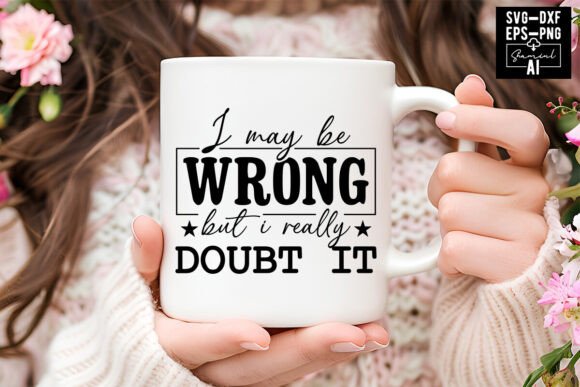
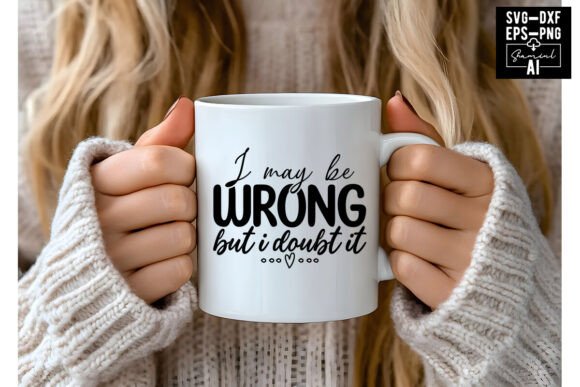
The text layout in I May Be Wrong but I Doubt It Svg carries a conversational rhythm. It reads like a punchline, and the visual spacing supports that. The phrase is long enough to make a statement but short enough to fit comfortably on a sweatshirt chest, a tote bag panel, or a mug-sized embroidery area. The letters are bold and clear, which is exactly what you want in a T-Shirt Designs piece that will be read from a distance. The mood is witty and unapologetic. It feels like the kind of design a customer picks when they want to express their personality without being overly aggressive. That broad appeal is a strong advantage for anyone selling Graphics for embroidery or print. It works for a coffee lover, an office worker with a sense of humor, or anyone who appreciates straightforward honesty.
Testing the Design on a Real Project
I decided to test I May Be Wrong but I Doubt It Svg on a midweight cotton sweatshirt. I wanted to see how the lettering handled curves and fabric texture. The design digitized well, with clean satin stitches on the main letters and a subtle fill stitch behind the bold parts. I used a medium weight cutaway stabilizer and a 60-weight bobbin thread to keep the back clean. The hoop size was manageable, fitting easily into a 5x7 hoop. I stitched a sample on scrap fabric first, which I always recommend. That test run revealed a slight pull on the thinner parts of the lettering, so I increased the underlay density slightly. After that adjustment, the final stitch-out was crisp and readable. The letters held their shape, and the thread tension looked even across the entire wordmark.
Where This Design Performs Best
In my experience, I May Be Wrong but I Doubt It Svg works exceptionally well on a few specific product types. I will break them down so you can decide where to use it in your own projects or inventory.
- Custom apparel. Sweatshirts, t-shirts, and hoodies are the natural home for this design. The phrase sits well on the chest or centered on the back. It reads clearly and draws attention without being cluttered.
- Tote bags and aprons. The bold lettering stands up nicely on canvas or cotton twill. I stitched it onto a sturdy tote bag and the result looked like a boutique product. The design feels at home on a reusable shopping bag or a kitchen apron for a gift.
- Embroidered patches. If you sell patch sets or custom patches, this phrase works as a standalone piece. The text is long enough to fill a patch shape without needing extra decoration. It stitches cleanly on twill or felt backing.
- Pillow covers and tea towels. Home decor items with a humorous edge sell well at craft fairs. This design adds personality to a throw pillow or a kitchen towel. I tested it on a linen tea towel and the satin stitches held up through a gentle wash cycle.
- Baby and kids items. This is a more niche use, but I have seen parents order onesies with witty phrases. The design works on a baby bodysuit if you scale it down and use a lightweight stabilizer. Just be careful with tiny hoop sizes and thin fabric.
Where to Use Caution
No design is perfect for every surface, and I May Be Wrong but I Doubt It Svg has some limitations that you should know before you commit to a project.
- Small hoop sizes. If you are working with a 4x4 hoop, you will need to scale the design down significantly. At small sizes, the thinner strokes in the lettering can lose definition. I recommend testing at the intended size before stitching a final product.
- Dark fabric backgrounds. The design relies on clear contrast between thread and fabric. If you stitch it on a dark sweatshirt, choose a bright thread color like white, gold, or light pink. Dark thread on dark fabric will make the phrase unreadable.
- Stretchy or textured fabrics. Performance fabrics, ribbed knits, or fleece with deep pile can cause the stitches to distort. Use a firm stabilizer and consider a tear-away or cutaway hybrid to keep the lettering straight.
- Curved surfaces like caps. The phrase is long enough that it will need to curve around a cap front. This can work if the design is digitized with a curve, but a straight stitch-out on a curved surface will cause puckering. If you sell caps, consider offering this design as a flat patch or a front panel applique.
- Frequent washing. Items like kitchen towels or baby clothes that get washed often need extra care. Use a high-quality thread and a dense enough stitch to prevent fraying. Test a sample through a few wash cycles before selling.
How This Design Affects Product Value and Customer Trust
When a customer buys a handmade product with a witty phrase, they are paying for the humor, the craftsmanship, and the durability. I May Be Wrong but I Doubt It Svg delivers on the humor side immediately. The phrase is relatable and shareable. That means your product has a higher chance of being photographed and posted on social media, which is free advertising for your small shop. But the stitching quality has to back it up. If the letters are crooked, the thread puckers, or the design fades after a few washes, the customer will not trust your brand again.
I have seen Etsy sellers build an entire shop around a single popular phrase. This design has that kind of potential. It fits into the Graphics category because it can be used not only for embroidery but also for printable mockups, digital product previews, and even screen printing. That versatility increases the value of the file. As a designer, I appreciate a file that I can use across multiple product types without losing its identity.
Practical Embroidery Designer Notes
Before you stitch a final product or list a finished item for sale, here are the steps I always take with a file like this.
- Test on scrap fabric first. Use the same fabric type you plan to use for the final product. Check the stitch quality, thread tension, and overall appearance.
- Review thread color contrast. Hold your thread colors next to the fabric in natural light. Make sure the phrase is easy to read from a few feet away.
- Check stitch density. If the design feels too dense, it may cause the fabric to pucker. If it feels too light, the letters may look thin. Adjust the underlay if needed.
- Confirm hoop size. Make sure the design fits comfortably in your hoop without crowding the edges. Leave at least half an inch of clearance.
- Inspect small details. Look at the narrow parts of the letters. If they are too thin, the satin stitch may not cover the fabric properly. Enlarge the design slightly if needed.
- Test in black and white mockups. This helps you see how the design reads without color distractions. It also helps you create clean product photos for your Etsy shop or website.
- Compare light and dark fabric backgrounds. Stitch one sample on white fabric and one on black or navy. See which one looks more professional and adjust your product offerings accordingly.
- Use proper stabilizer. For most apparel, a medium cutaway stabilizer is a safe choice. For towels or bags, use a heavier stabilizer to prevent shifting.
- Check licensing for commercial use. If you plan to sell finished products or digital files based on this design, confirm the license terms. Some Graphics files allow unlimited commercial use, but others limit the number of sales or require attribution. Always verify before you list a product.
- Test the design in both personal and commercial projects. Stitch one for yourself first. Use it, wash it, and see how it holds up. That experience will help you honestly describe the product to customers.
Final Thoughts on the Design’s Real-World Value
I have been working with machine embroidery designs for years, and I can tell you that the most successful designs are not necessarily the most complex. They are the ones that connect with people emotionally. I May Be Wrong but I Doubt It Svg connects because it is funny, relatable, and easy to read. It works for a wide range of products, from T-Shirt Designs to tote bags to home decor. It is a versatile piece of Graphics that can serve as a core product in a small shop or a one-off gift for a friend.
If you are an Etsy seller, a craft business owner, or a hobbyist looking to expand your embroidery portfolio, this design is worth your time. Just remember to test it thoroughly, choose the right stabilizer and thread colors, and consider the fabric surface before you stitch. With the right preparation, I May Be Wrong but I Doubt It Svg will become a reliable asset in your design library. It is the kind of phrase that makes people smile, and that is exactly what keeps customers coming back for more.